
🐾 Blog Title: “Little Paws, Big Lessons: How Dogs Help Children Grow Up Happier & Healthier”
Introduction
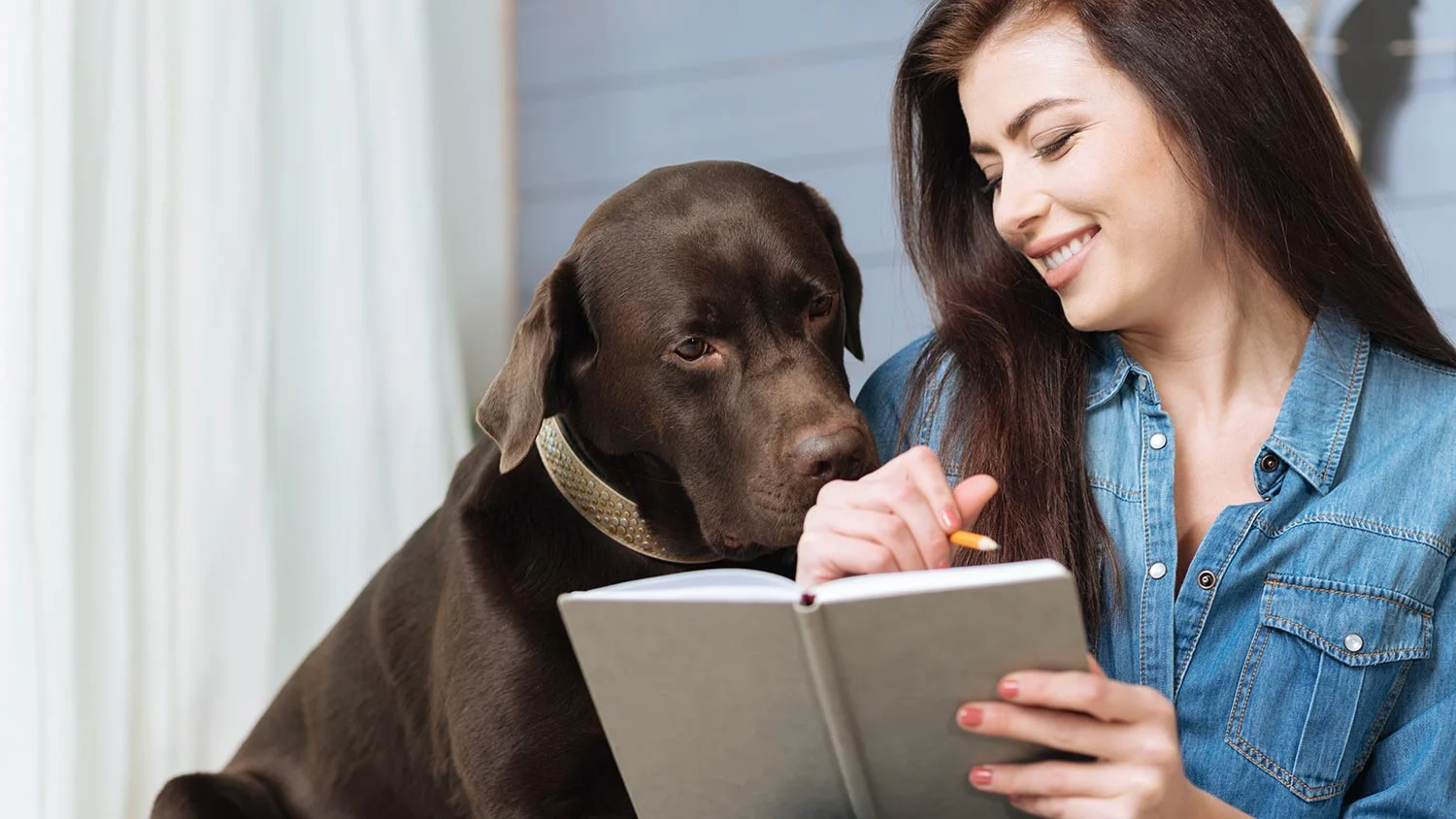
Dogs aren’t just adorable companions — they’re also incredible teachers. For children, growing up with a dog isn’t just fun; it’s a deeply enriching experience that shapes their personality, empathy, and sense of responsibility.
At BarkBliss, we believe that every bark, wag, and pawprint has a purpose. In this blog, we’ll explore how our four-legged friends help kids become more confident, kind, and capable — while building a lifelong bond rooted in love and joy.

🧠 1. Emotional Intelligence Starts with a Tail Wag
Children who grow up around dogs learn to recognize emotional cues — both human and canine. They become more attuned to feelings, compassion, and body language.
✅ Life Skill Learned: Empathy
💡 Example: When a child comforts a scared or tired pup, they’re practicing emotional care and connection.

🕒 2. Responsibility in Small, Furry Steps
Feeding the dog, refilling the water bowl, or brushing their coat — these simple tasks teach kids consistency, time management, and the satisfaction of being needed.
✅ Life Skill Learned: Accountability
💡 Idea: Use a chore chart where kids earn stars for pet care — learning commitment while bonding with their furry sibling.

🐾 3. Building Confidence Through Companionship
Dogs don’t judge — they’re loyal cheerleaders for every scraped knee, first day of school, or backyard adventure. Having a pet gives kids a safe space to express themselves and feel valued.
✅ Life Skill Learned: Self-esteem
💡 Insight: Shy or anxious children often open up more around pets, making social development easier.
🏃 4. More Movement, Less Screen Time
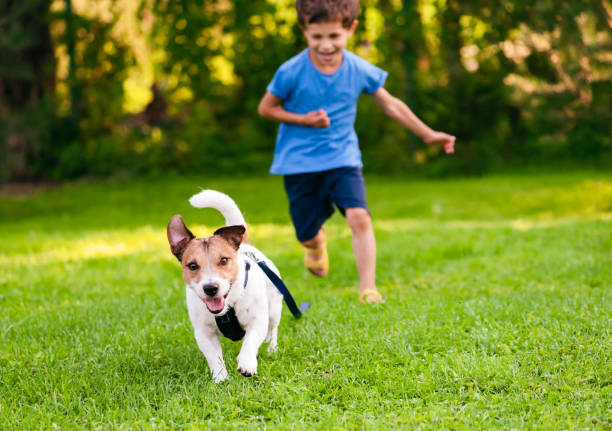
A dog is the perfect excuse to get outside — to run, play, and explore. Instead of more hours on tablets or TV, dogs inspire real-world, active play.
✅ Benefit: Physical health
💡 Fun Activities: Backyard agility course, fetch relays, or nature walks with the pup in tow!
📚 5. Boosting Communication & Language Skills
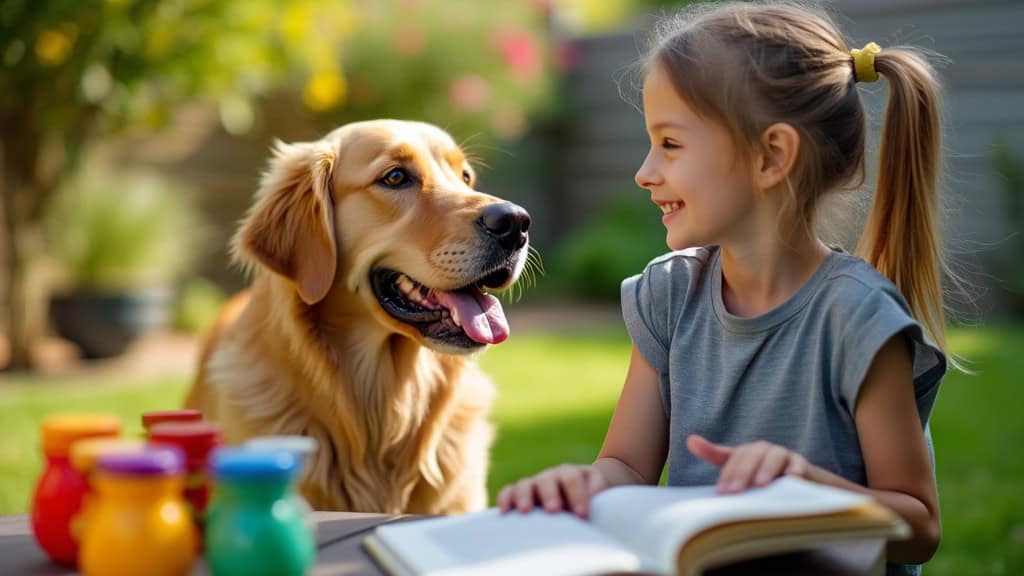
Talking to dogs may sound silly, but it’s actually great for early childhood development. Kids explain, narrate, and ask questions — building vocabulary and emotional articulation.
✅ Benefit: Language development
💡 Pro Tip: Encourage your child to “teach” your dog commands or read them stories aloud.
💔 6. Gentle Lessons About Loss and Love
As hard as it is, saying goodbye to a beloved pet can also teach children about grief, memory, and the cycle of life. Dogs help children process emotions in a safe and meaningful way.
✅ Life Skill Learned: Emotional resilience
💡 Kind Idea: Create a scrapbook or memory box when a pet passes — turning sadness into celebration of love.
🧡 7. Unmatched Emotional Support
Dogs just know when something’s off. They offer silent comfort during tantrums, stress, or sadness — a warm paw or lick that says, “I’m here.”
✅ Benefit: Emotional security
💡 Reminder: Even if your child doesn’t talk about their worries, the presence of a dog can provide silent healing.
🐕🧒 Conclusion: Growing Up, Paw by Paw
A dog is more than a pet — it’s a mentor, a therapist, a best friend in fur. The lessons kids learn from their dogs aren’t taught in classrooms. They’re learned during walks, games, quiet cuddles, and everyday moments of unconditional love.
At BarkBliss, we celebrate the powerful bond between kids and dogs — because growing up with a wagging tail by your side truly makes childhood richer, softer, and more joyful.