
🐾 Blog Title: “The Golden Years: How to Give Your Senior Dog a Blissful Life”
Introduction
As dogs age, their pace may slow, but their love and loyalty remain as strong as ever. Senior dogs hold a special place in our hearts — they’ve been through life’s ups and downs with us, offering comfort, joy, and unconditional companionship. At BarkBliss, we believe that every stage of a dog’s life deserves celebration, especially their golden years.
If your pup is starting to show signs of aging (graying muzzle, slower walks, deeper naps), this guide is for you. Let’s explore how to give senior dogs the comfort, care, and joy they deserve — one blissful day at a time.

🐶 1. Upgrade Their Comfort: Beds, Ramps, and Soft Touches
Senior dogs often experience joint pain or arthritis, so soft surfaces and easy access to their favorite spots are essential.
✅ Suggestions:
- Orthopedic dog beds with memory foam
- Ramps for getting on couches or into the car
- Non-slip rugs on slippery floors
💡 Pro Tip: Warm blankets and soft lighting can also reduce anxiety and improve sleep.
:strip_icc()/k9-ballistics-tough-orthopedic-dog-bed-hang-pham-04-6f4bf2a8ac7144b389eec36fb33a7c33.jpg)
🐾 2. Keep Them Moving — Gently
Exercise is still important! It keeps joints mobile, prevents weight gain, and boosts mental health — just in shorter, low-impact sessions.
✅ Ideas for gentle movement:
- Slow walks on grass or trails
- Swimming or hydrotherapy
- Indoor fetch or short sniff-and-search games
⚠️ Always talk to your vet about exercise limits based on mobility or conditions.
🧠 3. Mental Enrichment Matters More Than Ever
Just because they’re older doesn’t mean they stop learning or playing! Mental stimulation keeps senior dogs sharp and prevents boredom-related stress.
✅ Fun brain games:
- Treat puzzles
- Scent work (hide small treats around the house)
- Simple new tricks adapted for their pace
🥕 4. Adjust Their Diet for Age-Appropriate Nutrition
Senior dogs have different dietary needs — they may need fewer calories, more fiber, or added joint-support supplements like glucosamine or omega-3s.
✅ Ask your vet about:
- Senior-specific kibble or wet food
- Supplements for joints, digestion, or immune health
- Dental chews (many seniors have more sensitive teeth)
👂 5. Watch for Subtle Health Changes
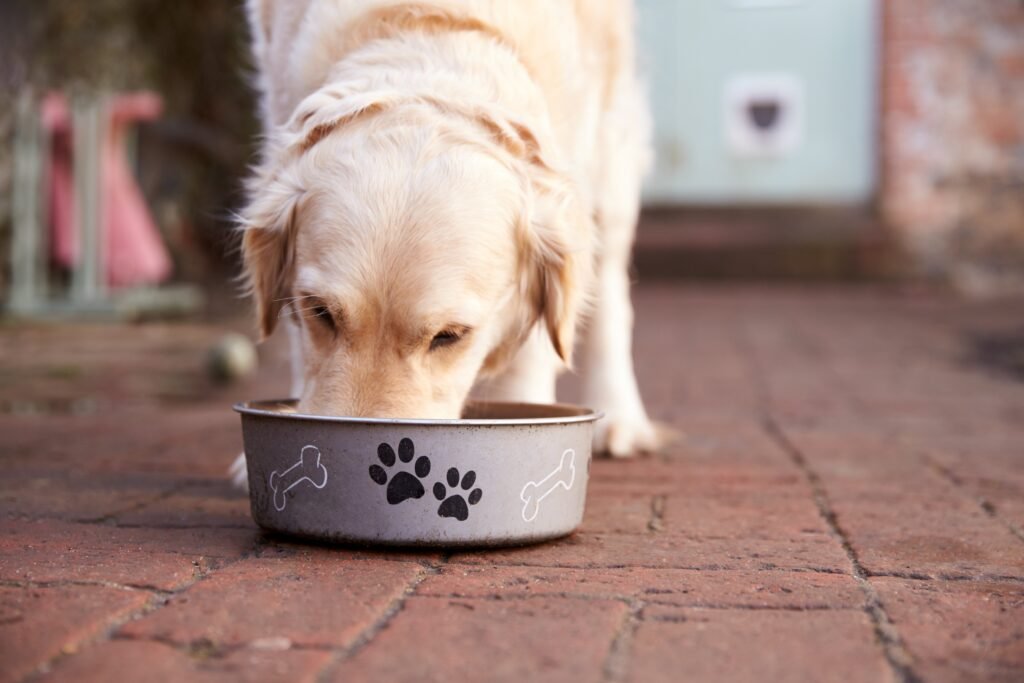
Older dogs may hide pain or discomfort. Regular checkups and daily observations help you catch issues early.
🚩 Watch for:
- Changes in appetite or weight
- Increased thirst or urination
- Trouble getting up or reluctance to move
- Cloudy eyes, hearing loss, or confusion
💡 Tip: Keep a simple health journal to track behavior, diet, and symptoms weekly.
❤️ 6. Shower Them with Emotional Support
Senior dogs can become more clingy, sensitive, or unsure. They may also become more loving than ever — soak it in!
✅ Ways to support them emotionally:
- Stick to routines to reduce anxiety
- Give extra cuddle time or calming massages
- Use calming scents like lavender (dog-safe only!)
- Sit beside them — presence means everything
🎉 Bonus: Celebrate Their Story
Create new joyful memories even in their later years.
✅ Ideas:
- Throw a “Senior Pup Party” on their gotcha day or birthday
- Take them on a short, scenic trip or picnic
- Make a photo album or paw print keepsake
📸 They’ve been your rock — now you can be theirs.
🌟 Conclusion
A senior dog may walk slower, nap longer, or hear less — but their heart grows bigger with time. With a little extra care, patience, and love, their golden years can be the most beautiful ones yet.
At BarkBliss, we believe that every stage of your dog’s life is a gift. And with the right support, your older pup can continue living a life filled with comfort, dignity, and joy.
Here’s to soft beds, slow walks, and endless love. 🐾💛