
“Adventure Scent-Hunting: Designing DIY Nature Scavenger Hunts for Dogs”

🐾 Introduction
Every dog carries within them a detective’s heart — lives guided by scent, curiosity, and wonder. When you see your pup sniffing at every blade of grass, it’s not just a casual stroll; it’s their own version of “CSI: Canine Sniff-Investigations.”
As responsible pet parents, giving our dogs something beyond the usual walk—something to think, sniff, and solve—makes all the difference. That’s where scent-hunting shines. It transforms a regular outing into a thrilling, enriching adventure.
In this post, we’ll build a DIY scent-hunting experience that’s clever, safe, and endlessly replayable. You’ll learn about your dog’s incredible nose, how to create trails and puzzles, how to train them, and even themed adventures they’ll adore. Whether your BarkBliss pup is a backyard explorer or a park veteran, we’re about to ignite their senses in entirely new ways. Ready to sniff out the fun?
The Science of a Dog’s Nose
Dogs are literal sniffing specialists. Here’s why:
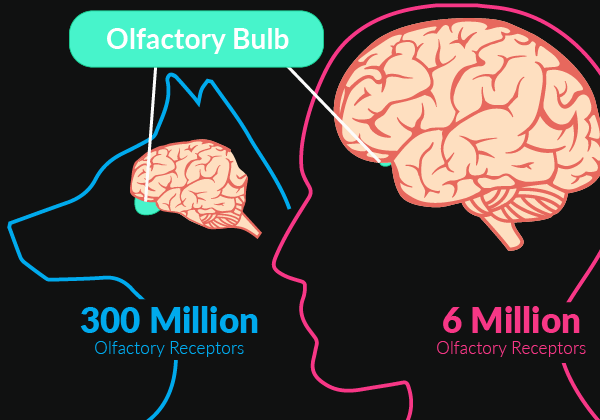
- Olfactory Anatomy: A dog’s nose has up to 300 million olfactory receptors—humans have about 6 million. That means dogs can smell in layers, detecting depth, direction, and history of scent trails.
- Vomeronasal Organ (Jacobson’s Organ): Located in the roof of their mouth, this organ captures pheromones—scents we might never notice. This is why dogs seem to grind their teeth after investigating something—they’re processing!
- Incredible Speed: Dogs can differentiate scents in milliseconds. They can also gauge concentration and pinpoint origin directionally—like GPS, but nose-based.
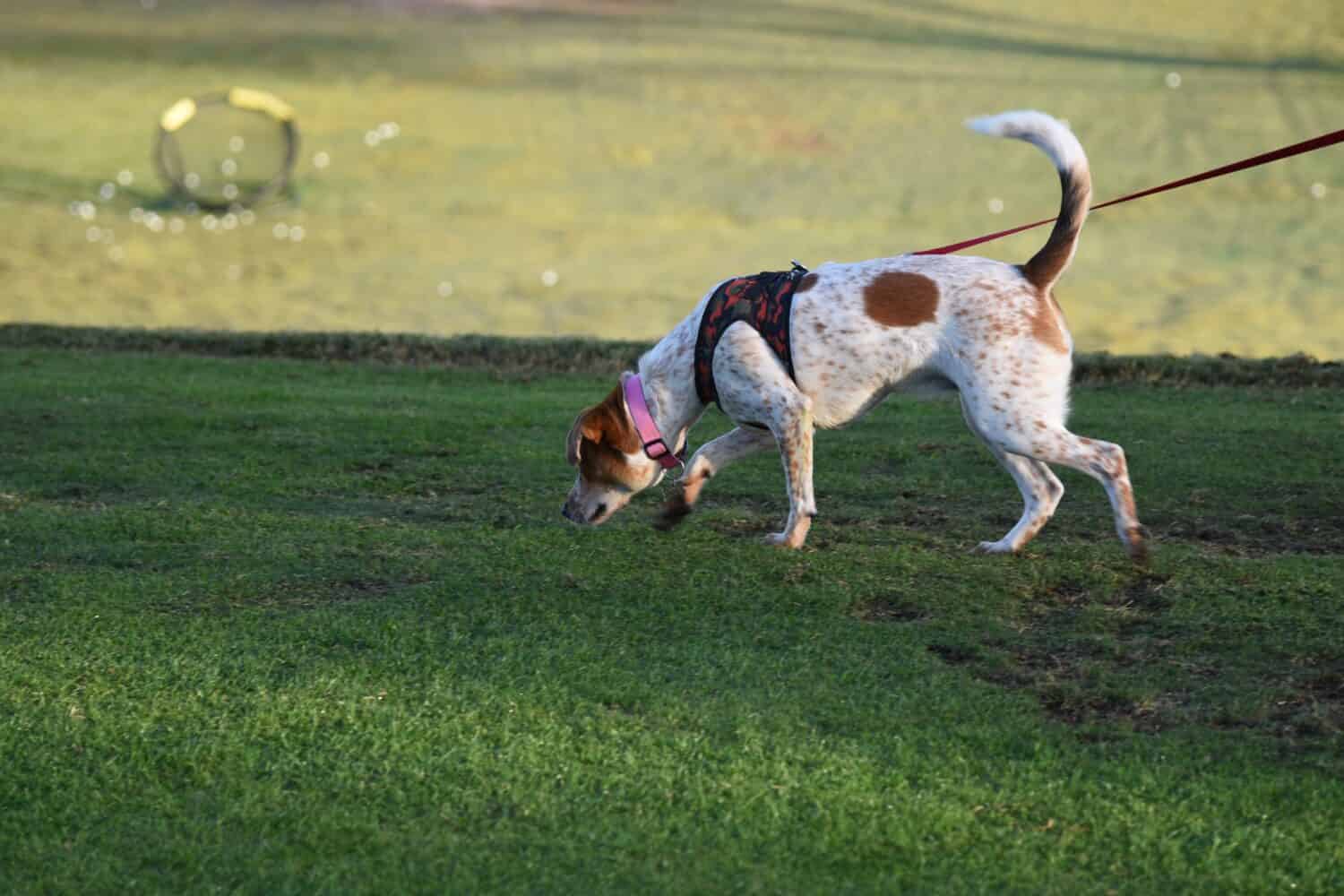
What does this mean for us? When your dog is off-leash out in the park, they’re not just wandering—they’re mapping the landscape scent-by-scent. They detect other animals, plants, human visitors, food traces. Scent games tap directly into this world.
Canine Search Case Studies
- Detection Dogs: These dogs are trained to locate narcotics, bombs—even diseases like cancer or COVID-19—using scent trails. Their successes show us what regular pet dogs can do when given structured sniff tasks.
- Search & Rescue: Wilderness rescue dogs follow scent over miles, often in rugged terrain, using olfactory focus and endurance.
- Human Studies: Research shows scent-focused play drops anxiety in shelter dogs by up to 50%, compared to fetch-based play.
So, by encouraging scent work, you’re doing more than playing—you’re exercising your pup’s deepest instincts.
Health & Safety First
Before you let Fido loose on a gourmet aroma trail, consider:
- Scout the Environment
- Look out for hazards: sharp sticks, broken glass, nettles, local wildlife (e.g. snakes, porcupines, bees).
- Avoid areas treated with herbicides or pesticides—dogs ingesting residue from plant sniffing can get ill.
- Pack the Essentials
- Collapsible water dish, fresh water, treats
- Basic first-aid: vet wrap, tweezers (for ticks), antiseptic wipe
- Scent material bag, in sealable container or zipper bag
- Be Weather-Ready
- Hot asphalt = burnt paw risk. Go early or late in the day.
- After rain, trail scents linger stronger—but mud and ticks increase.
- Know the Rules
- Some natural areas don’t allow off-leash. Check leash laws and dog access policies.
- Respect seasonal wildlife nesting times—especially birds or deer.

Designing the Hunt: Themes & Levels
Beginner (Backyard or Living Room)
- Hide a scented cloth under a chair leg or soft toy.
- Grab their collar, scratch a dab of your chosen scent (herbal tea, vanilla) on it, then release and say “Find!”
Intermediate (Local Park or Neighborhood)
- Pin small scent pouches along a short path (~50–100 yards).
- Include scent variations: pine needles, rosemary, citrus peels.
- Reward at end with play, praise, or treat.
Advanced (Forest or Trails)
- Multi-stop trail: scent at each station has a clue leading to next point—think treasure map!
- Use scent interchange (trail first direction, temptation scent later to refine their path).
Themed Hunts
- Forest Forager: Nature smells—acorns, pine cones, earth, fallen leaves.
- Culinary Canine: Little pouches with dog-safe herbs & spices—rosemary, lavender, parsley.
- Urban Sniffer: Use water-based cologne on cotton, leather scraps, recyclable smells like cardboard.
DIY Scent Trail Recipes & Materials
Simple Scent Items:
- Mild herbal teas (mint, chamomile)
- Dog-safe essential oils: 1–2 drops of lavender, rosemary diluted in water
- Kitchen spices (cinnamon stick, turmeric, bay leaf)
Instructions:
- Prepare small cotton muslin bags or unused socks.
- Add 1–2 tsp dried herb/rough-spoon of spice.
- Seal with string or clip.
- Store in airtight container.
Keep note of the scent’s strength—too strong is overwhelming, too weak goes unnoticed.
For spice-based trails (e.g. cinnamon), lightly dust the ground to leave a faint line. For water-based scents, transfer to cloth, spritz, let dry, and reuse for up to a week.

Training Your Dog to Hunt
1. Nose-to-Scent Games
- Introduce scented pouch next to your dog—say “Find scent!” when they sniff.
- Reward focused sniffing intensely.
2. Trail Introduction
- Drag pouch across start line, let them follow with verbal cues.
- Over time, reduce help by hiding pouch after they track a couple steps.
3. Upsizing Difficulty
- Increase trail length.
- Introduce cloth over pouch, decoy smells (grass, sticks).
- Extend idle time between laying and hunting trail to encourage discrimination.
4. Troubleshooting:
- ✖️ Distractions: Use stronger reward for scent than lure of ball.
- ✖️ Digging: Shift surface scents to elevated or sheltered areas.
- ✖️ Losing trail: Shorten trail, exaggerate scent markers, reteach basics.
Start sessions 5–10 min to avoid fatigue, and always end with fun play to reinforce joy.
Advanced Games & Enrichment
Group Sniffing Workshops: Invite fellow dog parents, set relay trails—social + sniffing = double wins!
Scent Puzzles & Toys: Hide scent pouches in snuffle mats or DIY puzzle boxes.
Indoor Variants: For rainy days, play “scent hide and go seek” with boxes or furniture.
Agility Combo: Add a low tunnel or jump between scent checkpoints—physical + mental enrichment.
Real-Life Success Stories
Luna the Lab (U.K.): her owner created weekly backyard scent challenges. Luna became so adept that she started independently retracing visitors—proof of how sniff games pay off in confidence.
Charlie & the City Trail (Toronto): Charlie tackled “Urban Sniffer” trails downtown—cologne, leather scraps, espresso beans. His nose guided him straight to each hidden pouch, and he even ignored all the street temptations: “He was all business,” owner says. These moments strengthen their bond and give Charlie real-world stimulus.
Conclusion & Call-to-Action
Scent-hunting meets our pups where it matters: their instincts, curiosity, and need for purpose. From simple indoor finds to elaborate forest treasure trails, every session fosters joy, health, and connection.
Start small, measure progress, adapt to your dog’s pace—and don’t forget to have fun! Share your adventures, photos, scent recipes, and stories on BarkBliss—let’s inspire a community of sniff detectives.
Ready to dig deep into the world of scent-based fun? Your dog’s next nose-led adventure awaits. 🐶🌿