
Growing Old Gracefully: How to Care for Your Senior Dog With Love and Dignity

Published on BarkBliss | August 6, 2025
If you’ve ever shared your life with a dog, you know how quickly time passes. One minute, your pup is a wiggly ball of energy, and the next, they’re slowing down, sleeping more, and taking things a bit easier. It’s not easy to watch our furry companions age — but it is a privilege to walk with them through every stage of life.
At BarkBliss, we believe that senior dogs deserve just as much celebration, attention, and care as puppies — if not more. This guide will walk you through how to support your aging dog physically, mentally, and emotionally so they can enjoy their golden years with comfort, joy, and dignity.

When Is a Dog Considered “Senior”?
Dogs are typically considered senior when they reach the last third of their expected lifespan. That can vary depending on breed and size:
- Small breeds (e.g., Chihuahuas, Dachshunds): Senior at 10–12 years
- Medium breeds (e.g., Beagles, Cocker Spaniels): Senior at 8–10 years
- Large breeds (e.g., Labradors, Golden Retrievers): Senior at 6–8 years
- Giant breeds (e.g., Great Danes, Mastiffs): Senior at 5–7 years
Aging is individual — some dogs act like puppies well into old age, while others show signs of slowing down earlier. The key is to know your dog and notice changes.
Common Signs of Aging in Dogs
Recognizing the signs of aging can help you adapt their care accordingly. Common changes include:
- Slower movement or stiffness, especially after naps
- Cloudy eyes or diminished vision
- Hearing loss
- Graying around the muzzle and face
- Increased sleeping
- Weight gain or loss
- Changes in appetite
- Incontinence or house accidents
- Increased anxiety or confusion (cognitive decline)
None of these are reasons to panic — they’re often manageable with the right support.
How to Support Your Senior Dog’s Physical Health
1. Vet Visits: More Often, Not Less
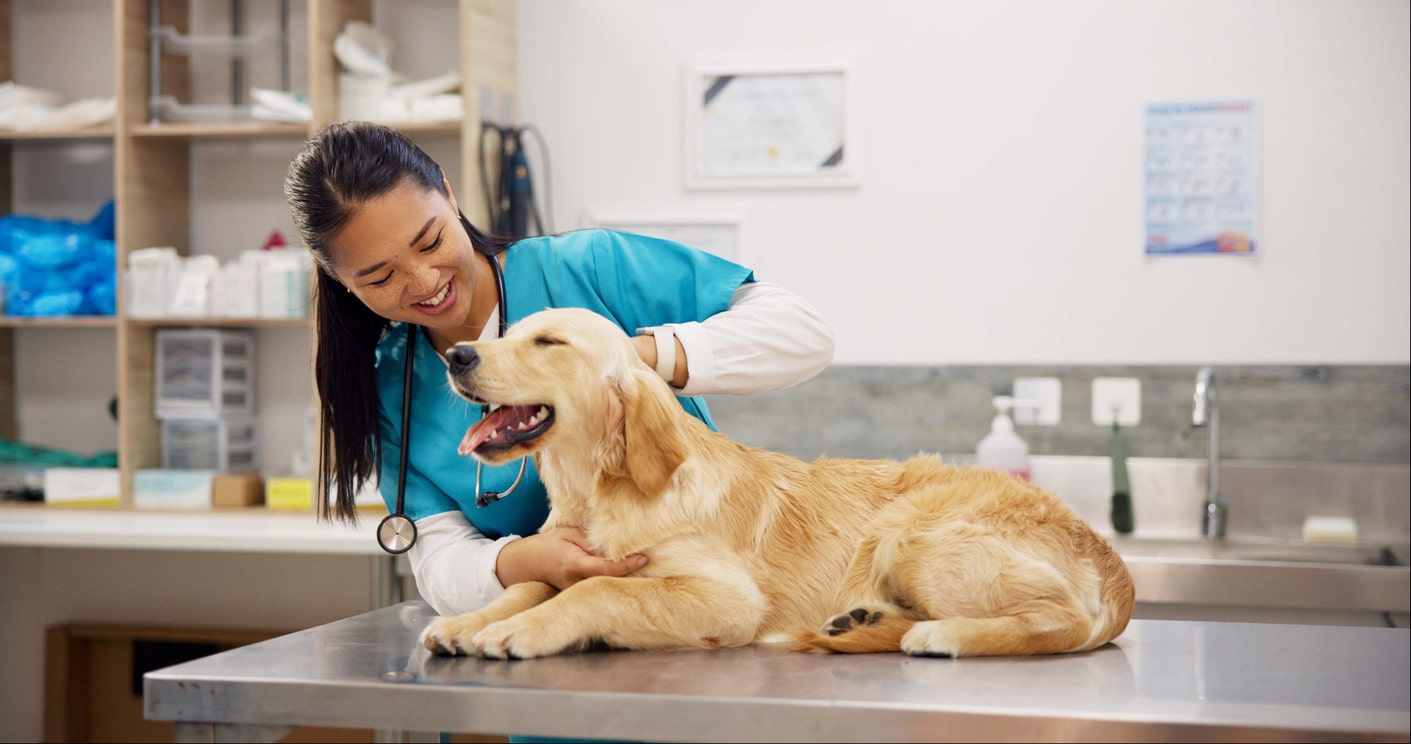
Senior dogs benefit from biannual checkups instead of annual ones. Early detection of arthritis, dental disease, kidney issues, or thyroid imbalances can greatly improve quality of life.
2. Adjust Diet and Nutrition
Older dogs may need:
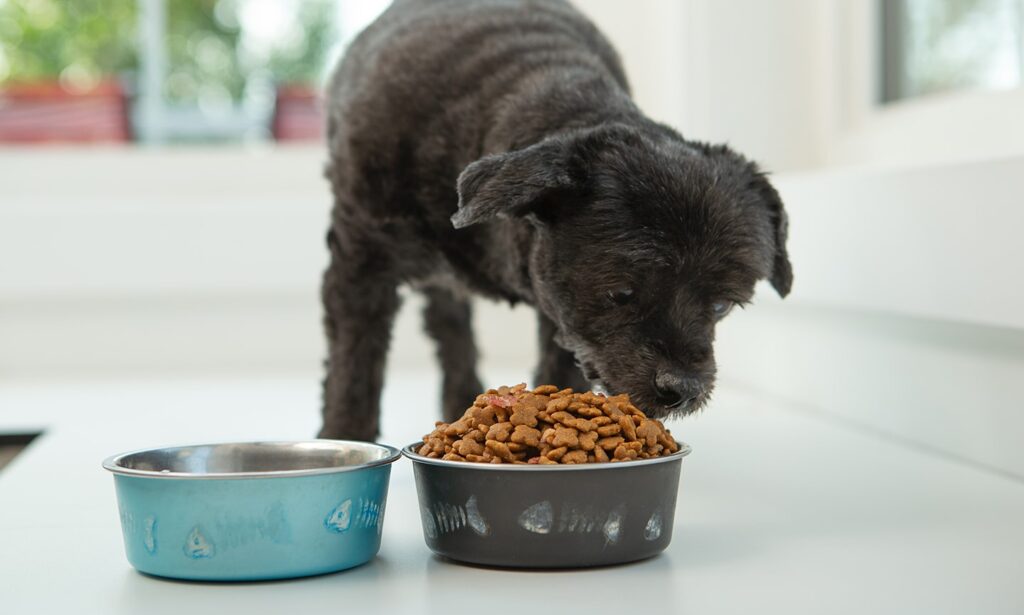
- Fewer calories (to prevent weight gain from inactivity)
- More joint-supportive nutrients (like glucosamine and omega-3s)
- Easily digestible food
Speak with your vet about whether your dog needs a senior-specific formula or supplements.
3. Exercise — But Mindfully
Keep your dog moving to prevent muscle loss, stiffness, and boredom. Try:
- Shorter but more frequent walks
- Swimming (low-impact and easy on joints)
- Puzzle toys for mental stimulation
Avoid high-impact activities that may strain aging joints.
4. Mobility Aids and Home Adjustments
Small changes can make a big difference:
- Orthopedic dog beds for joint support
- Ramps for beds, couches, or cars
- Rugs on slippery floors to prevent falls
- Raised food and water bowls for easier access
Comfort equals dignity.
Supporting Their Mind and Emotions
Aging affects not just the body, but also the brain. Cognitive decline in dogs (often called canine cognitive dysfunction, or “doggy dementia”) can cause anxiety, confusion, and restlessness. But there are ways to help.
1. Keep Their Routine Consistent
Predictability is calming. Feed, walk, and sleep at the same times each day. Avoid major environmental changes if possible.
2. Continue Mental Enrichment
Even older dogs love to play:
- Use treat-dispensing puzzles
- Teach simple new tricks or cues (keep sessions short)
- Offer scent-based games (hide treats under cups or in a snuffle mat)
3. Practice Gentle Reassurance
Be patient with increased clinginess or nervousness. Senior dogs often become more attached. Just your calm presence can be incredibly soothing.
Dealing With Common Senior Dog Challenges
Incontinence
Frequent potty breaks, absorbent bedding, or doggie diapers can help. In some cases, medication may be necessary — always consult your vet.
Hearing or Vision Loss
Don’t rearrange furniture if your dog is losing their vision. Use more hand signals for deaf dogs, and stomp your foot gently to get their attention through vibration.
Changes in Appetite
Some older dogs become picky eaters or lose interest in food. Warming up their meals, adding a splash of low-sodium broth, or switching to softer foods can help.
The Emotional Side: Coping With Your Dog’s Aging
Watching your best friend grow old can stir up complex emotions — sadness, fear, gratitude, even guilt. That’s normal. But remember: aging is not a tragedy. It’s a natural, sacred part of life.
Your senior dog may not run as fast or hear as well, but they don’t love you any less. In fact, their bond with you often grows stronger in these final years.
Honor them with presence, patience, and love.
Saying Goodbye (When the Time Comes)
There may come a time when your dog’s quality of life declines significantly. It’s one of the hardest decisions a pet parent will ever face.
Consider the “Five Freedoms” of animal welfare:
- Freedom from hunger and thirst
- Freedom from discomfort
- Freedom from pain, injury, or disease
- Freedom to express normal behavior
- Freedom from fear and distress
If most of these freedoms are no longer being met, it may be time to talk with your vet about end-of-life care or humane euthanasia.
It’s okay to grieve. It’s okay to need support. And it’s okay to let go when holding on would hurt them more.
Final Thoughts: The Gift of Growing Old Together
Caring for a senior dog is a profound act of love. Every slow walk, every snuggle, every gentle belly rub is part of a sacred chapter. While puppies are exciting and fun, senior dogs offer something deeper: a seasoned, soulful companionship that only time can create.
So let them nap a little longer. Celebrate their silver whiskers. And thank them — for every loyal year, every tail wag, every quiet moment by your side.
Because you’ve been their whole world. And they’ve been yours.
From all of us at BarkBliss, thank you for loving your dog through every season of life.
Stay tuned for our upcoming post:
“Senior Dog Checklist: 12 Things to Do to Keep Their Golden Years Truly Blissful.”