
How to Prepare Your Dog for a New Baby: A Step-by-Step Guide for a Happy Home

Published on BarkBliss | August 6, 2025
Welcoming a new baby into your family is one of life’s most joyous occasions — but it’s also a big adjustment for your furry family members. Dogs thrive on routine and attention, so a sudden change can sometimes lead to stress, anxiety, or behavioral issues.
At BarkBliss, we know that with the right preparation, your dog can become your baby’s loyal protector and best friend. This guide walks you through practical steps to help your dog adjust smoothly to a new sibling, ensuring peace and happiness for everyone in your home.

Why Preparation Matters
Dogs aren’t naturally aware of what a baby is or how their life is about to change. Without guidance, they may feel confused, jealous, or insecure. Preparing your dog ahead of time reduces surprises and helps them feel safe and included.
Step 1: Start Early with Training and Boundaries
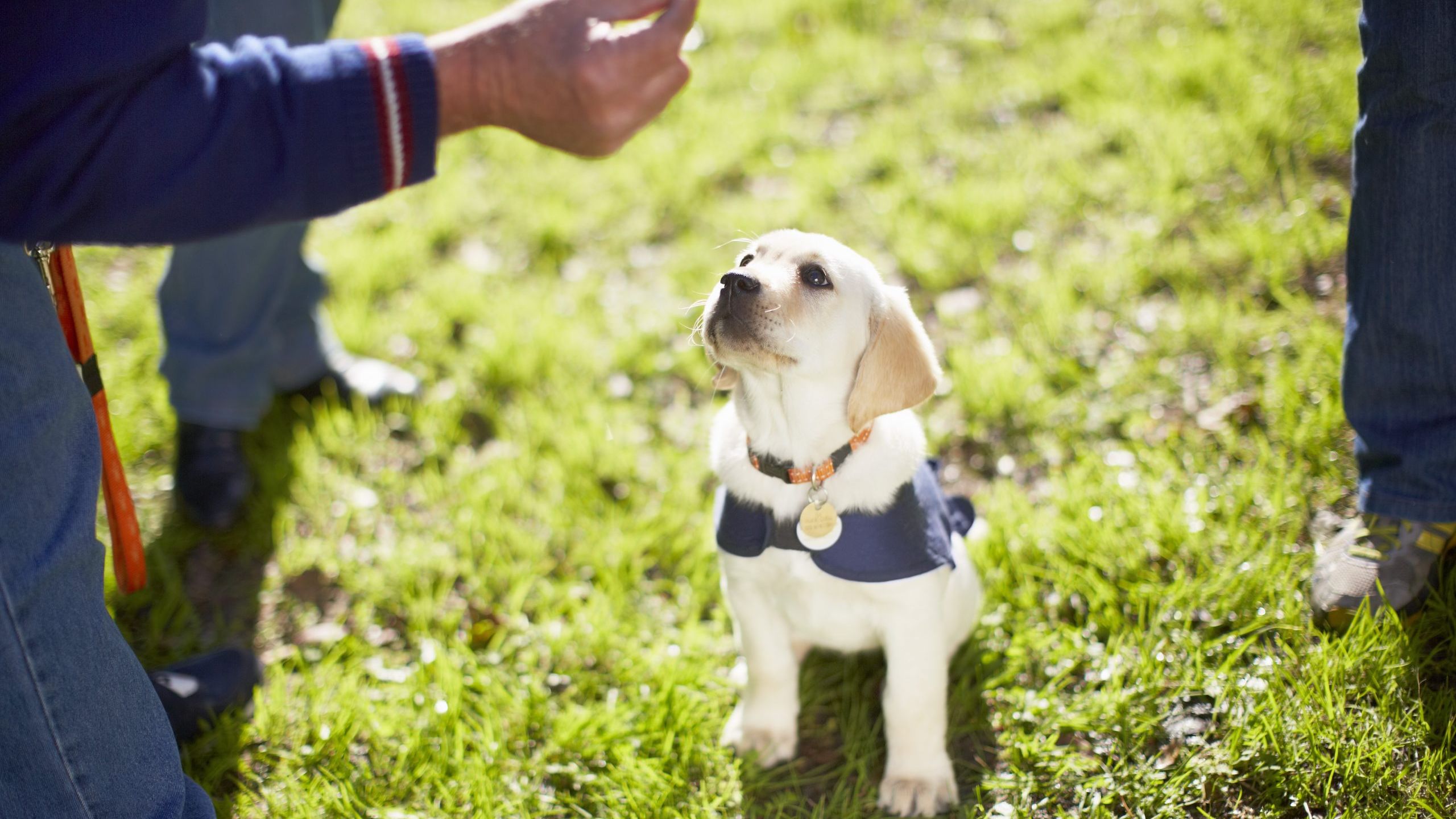
Before the baby arrives, revisit basic obedience commands like “sit,” “stay,” “leave it,” and “go to your place.” These commands will be essential when your baby comes home.
Set or reinforce household boundaries, such as which rooms or furniture are off-limits, so your dog knows their limits in advance.

Step 2: Introduce Baby Sounds and Smells
Babies have unique sounds and smells that can be unfamiliar to your dog. Play recordings of baby cries, coos, and laughter at low volume and gradually increase it, rewarding calm behavior.
Introduce baby lotions, powders, and blankets for your dog to sniff so the scents become familiar and less startling.

Step 3: Create a Safe Space for Your Dog
Make sure your dog has a quiet, cozy spot where they can retreat and relax away from the baby’s noise and activity. This helps reduce stress and gives them a sense of security.
Step 4: Practice Changes to Routine
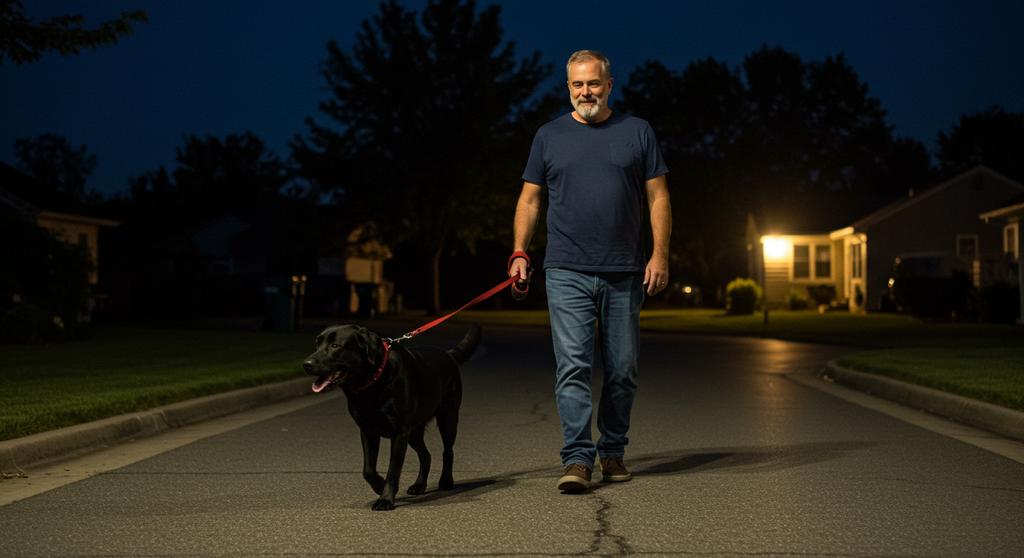
A new baby means changes in your schedule. Start adjusting your dog’s feeding, walking, and playtime routines to fit the anticipated schedule after baby arrives. This helps your dog adapt gradually.
Step 5: Teach Gentle Behavior Around Babies
If your dog tends to jump, lick faces, or get overly excited, start redirecting those behaviors. Reward calm and gentle interactions, and consider enrolling in a training class focused on behavior modification if needed.
Step 6: First Introduction Tips
When you bring your baby home:
- Allow your dog to sniff the baby’s blanket or clothing first.
- Keep initial interactions calm and brief.
- Never force contact — let your dog approach at their own pace.
- Praise and reward calm, gentle behavior.
- Supervise all interactions closely.
Step 7: Manage Attention and Affection
Make sure your dog still gets plenty of affection and attention to prevent jealousy or insecurity. Enlist help from family members to ensure your dog doesn’t feel left out.
Step 8: Watch for Signs of Stress
Be vigilant for signs your dog may be stressed or overwhelmed, such as excessive barking, withdrawal, whining, or destructive behavior. If you notice these, consult a professional trainer or behaviorist.
Final Thoughts: Building a Lifelong Bond
With patience, preparation, and love, your dog can become a loving big sibling and protector for your child. The bond they form can be one of the most special relationships your family ever experiences.
At BarkBliss, we’re here to support you through every step of this exciting journey. Your dog deserves to feel safe and valued as your family grows.
Stay tuned for our upcoming post:
“Top 10 Baby-Safe Toys and Activities for Dogs”