
The Science Behind Your Dog’s Zoomies: What Are They and Why Do They Happen?

Published on BarkBliss | August 6, 2025
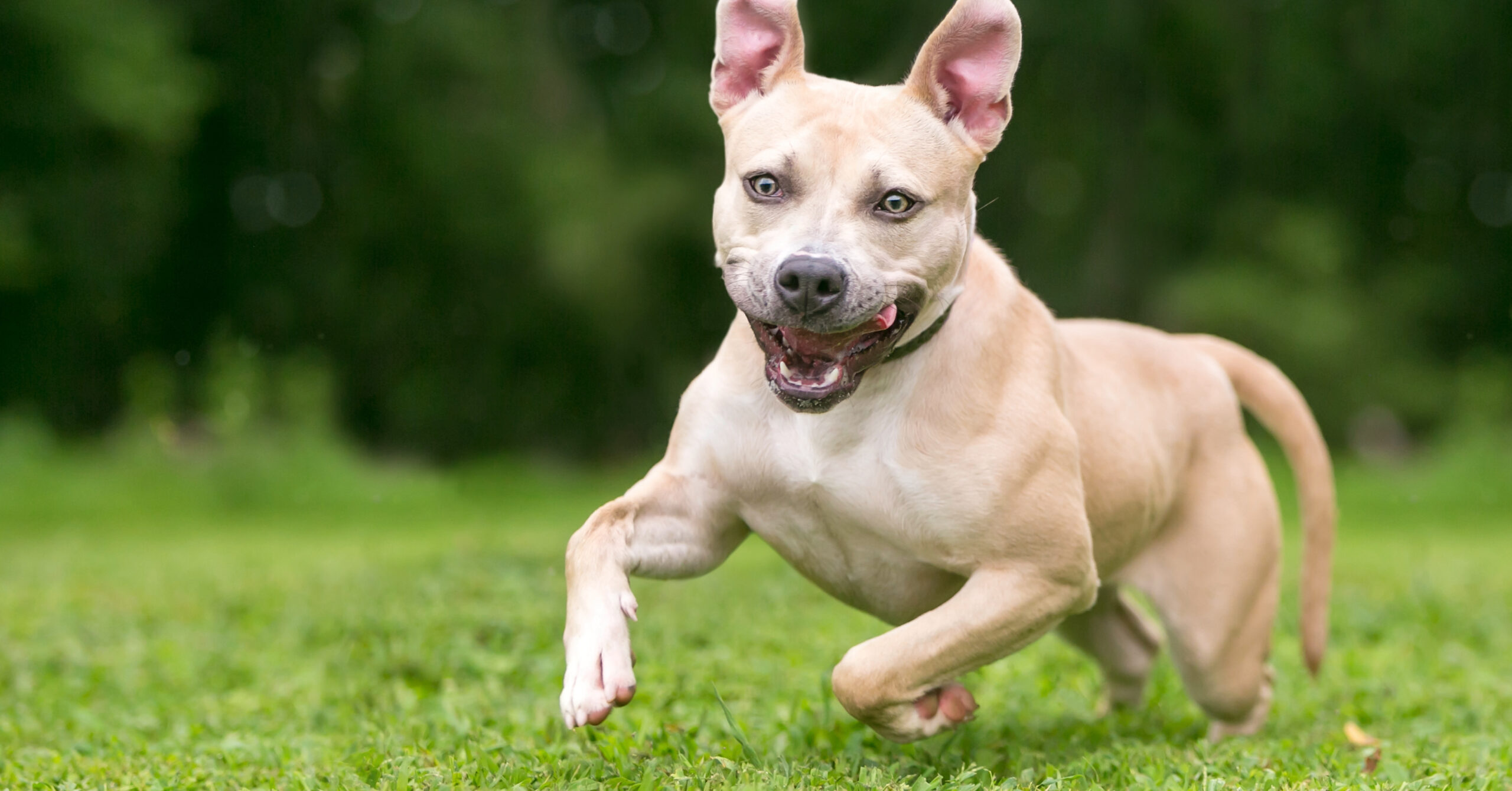
If you’re a dog parent, you’ve probably witnessed the phenomenon: one moment your pup is calmly lying down, and the next they’re sprinting around the house like a furry tornado. These sudden bursts of energy, often accompanied by joyful barking, wild eyes, and furniture-leaping acrobatics, are what the dog world affectionately calls “zoomies.”
But what causes them? Are they normal? And should you ever be concerned? At BarkBliss, we’re all about understanding our canine companions a little better — so let’s dive into the fascinating science behind zoomies.
What Are Zoomies?
“Zoomies” is the informal term for Frenetic Random Activity Periods (FRAPs) — and yes, that’s the actual scientific name. These are short-lived episodes of high energy that can happen to dogs (and even cats!) of all ages and breeds.
During a FRAP, your dog may:
- Sprint in circles
- Dart from room to room
- Toss toys wildly
- Bark playfully
- Do laps around the backyard or living room
It usually lasts only a few minutes but leaves a lasting impression — and probably a few paw prints.

Why Do Dogs Get the Zoomies?
There isn’t a single reason behind this behavior, but several factors may contribute:
1. Energy Release
Dogs — especially puppies and high-energy breeds — build up a lot of physical and mental energy. Zoomies are often their way of releasing that in a spontaneous burst.
2. Excitement or Relief
Zoomies often follow a moment of excitement or stress relief — such as after a bath, a car ride, or when their favorite human comes home.
3. Natural Instinct
In the wild, bursts of energy are essential for survival — for hunting, playing, or escaping danger. Domestic dogs still retain some of that primal wiring.
4. Joy and Playfulness
Let’s face it — dogs are joyful beings. Sometimes, they’re just expressing pure, unfiltered happiness. It’s contagious and beautiful to watch.
When Do Zoomies Happen Most?
- After being crated or left alone for a while
- After baths or grooming sessions
- In the morning or evening (especially in puppies)
- After pooping (yes, really!)
Some owners refer to post-poop zoomies as the “poo-phoria” — a sign your pup is feeling light, free, and fabulous.

Are Zoomies Safe?
Zoomies are generally harmless and a sign of a happy, healthy dog. However, keep a few safety tips in mind:
- Clear the area: Remove sharp or breakable objects from zoomie zones.
- Watch for slippery floors: Dogs can injure themselves if they slide too hard or crash into furniture.
- Let them run outside if possible: A backyard is a great safe space for your dog to zoom to their heart’s content.
Can I Encourage or Reduce Zoomies?
If your dog’s zoomies are destructive or happen at inconvenient times (like bedtime), you can manage them by:
- Increasing daily exercise and play
- Providing more mental stimulation (puzzle toys, training games)
- Creating a routine for rest and activity
On the flip side, if your dog doesn’t get zoomies often and you want to encourage more joy-filled moments, engage them in playful activities like tug-of-war, fetch, or spontaneous play sessions.
Final Thoughts: Celebrate the Zoom
At BarkBliss, we believe every tail wag, every bark, and yes — every zoomie — is part of the magic of dog life. They’re a window into your dog’s personality, a sign of their joy, and a reminder to let loose once in a while.
So next time your pup races through the house with wild abandon, don’t scold them. Grab your phone (if you’re fast enough), laugh, and enjoy the moment. After all, life’s too short not to have a zoomie now and then.
🐾 Looking for more dog behavior tips and joyful stories? Follow BarkBliss for weekly blogs, product reviews, and canine care insights. Your best friend deserves the best life — and we’re here to help you give it.