
What Is Your Dog Really Saying? A Guide to Understanding Canine Body Language

Published on BarkBliss | August 6, 2025
If dogs could talk, life would be easier — or would it?
The truth is, dogs do talk. Not with words, but with posture, tail movements, facial expressions, and energy. At BarkBliss, we believe understanding your dog’s body language is one of the most important ways to strengthen your bond, improve training, and avoid miscommunication that can lead to anxiety or even aggression.
In this guide, we’ll dive deep into the subtle (and not-so-subtle) ways dogs communicate, what they’re really trying to tell you, and how you can respond in ways that build trust and harmony.
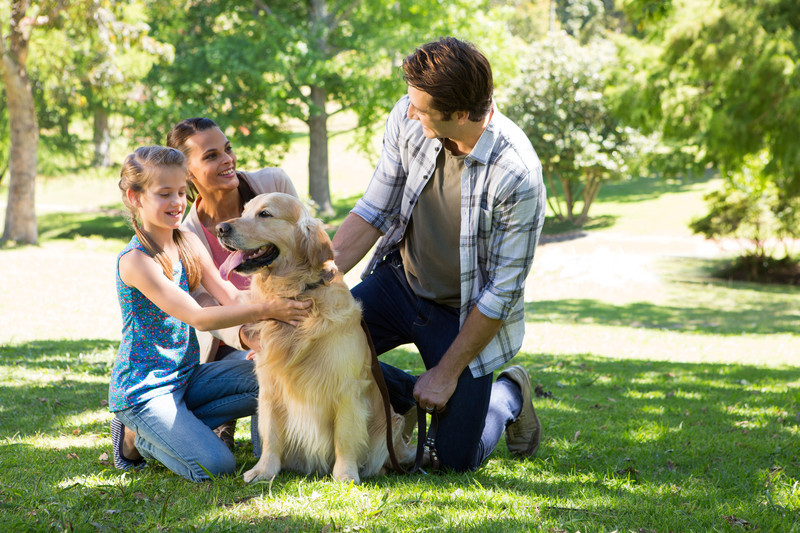
Why Body Language Matters More Than Barks
While barking is a vocal expression, the majority of a dog’s communication happens through their body. Dogs are constantly assessing their environment, other animals, and humans — and they’re responding through movements that are easy to miss unless you know what to look for.
Understanding your dog’s body language can help you:
- Prevent behavioral issues
- Strengthen your relationship
- Recognize stress signals early
- Improve training effectiveness
- Avoid misunderstandings in social settings (dog parks, vet visits, etc.)
Let’s break it down, head to tail.
The Tail: Not Always a Sign of Happiness
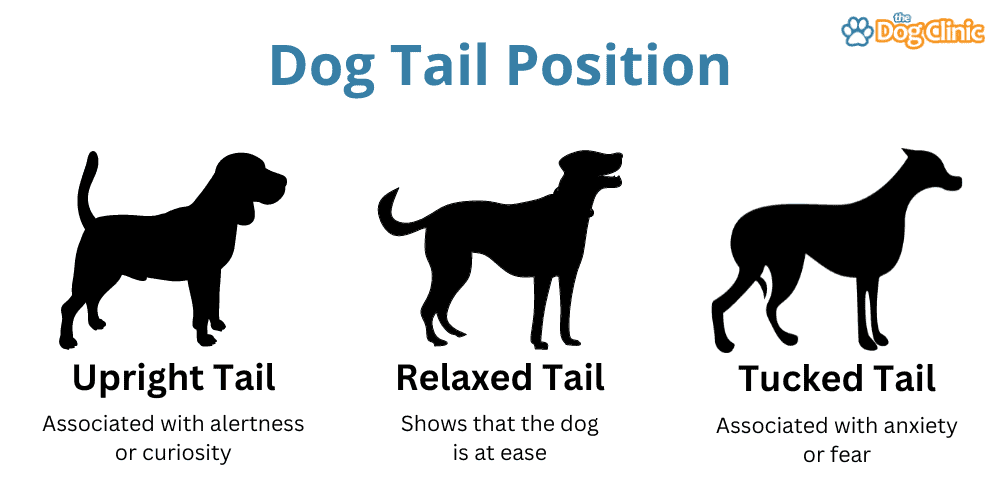
Most people assume a wagging tail means a happy dog — but it’s not that simple. Tail position, speed, and direction of the wag all convey different meanings.
Key Tail Signals:
- High, stiff tail (not wagging): Alert, dominant, or potentially aggressive
- Low, tucked tail: Fearful, anxious, or submissive
- Slow wag, mid-height: Unsure but friendly or curious
- Rapid wag, loose body: Excited, friendly, relaxed
- Wagging more to the right (their right): Positive emotions
- Wagging more to the left: Potential negative emotions or stress
Every dog has a “neutral” tail position based on breed. Learn your dog’s default so you can tell when something is off.
The Ears: Radar Dishes of Emotion
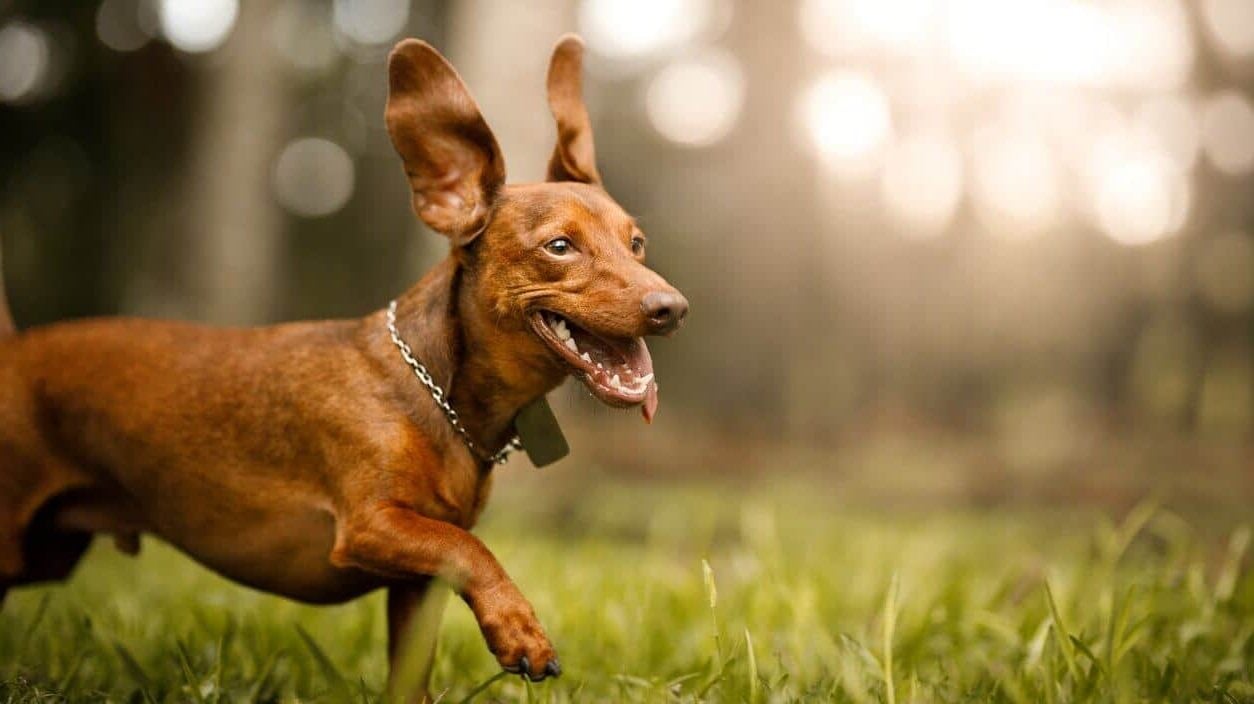
Ear position can change rapidly based on what a dog hears or feels. Even floppy-eared dogs reveal a lot through small movements.
What to Watch For:
- Ears forward and alert: Curious or focused
- Ears back and flat: Fearful, submissive, or potentially stressed
- Ears swiveling constantly: Processing new information, uncertain
- Neutral ears: Relaxed, content
If your dog pins their ears tightly while showing the whites of their eyes or licking their lips, that’s a red flag of anxiety or discomfort.
The Eyes: Windows to Their Mood
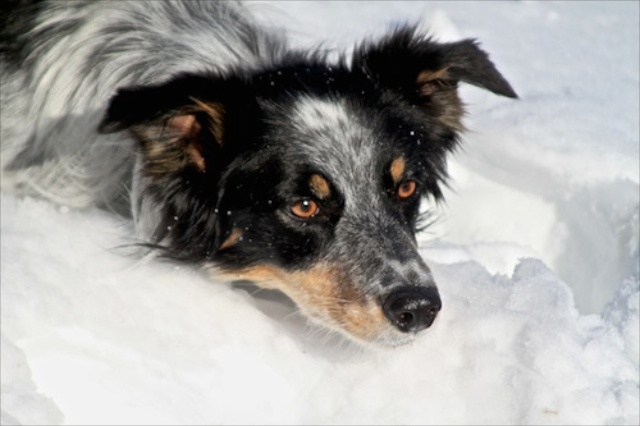
Your dog’s eyes reveal much about their emotional state.
Key Eye Signals:
- Soft, relaxed gaze: Happy, calm
- Hard stare (intense eye contact): Challenge, discomfort, or warning
- Whale eye (white of eyes visible): Fear, stress, or guarding behavior
- Squinting or blinking slowly: Relaxed, affectionate, possibly tired
Never ignore a hard stare combined with stiffness — it’s often the final warning before a growl or snap.
The Mouth: More Than Just Smiles
Dogs use their mouths to play, communicate, and regulate stress.
Interpreting Mouth Behavior:
- Relaxed mouth, slightly open: Calm and happy
- Tightly closed mouth: Alert or anxious
- Lip licking (out of context): Stress signal
- Yawning (when not tired): Calming signal or discomfort
- Showing teeth with relaxed body: Playful “smile” in some dogs
- Showing teeth with tense body: Warning or aggression
Dogs often lick their lips, yawn, or turn their head away when they feel overwhelmed — these “calming signals” are polite ways of saying “I need space.”
The Body Posture: Confidence vs. Caution
Overall posture gives clues to how a dog feels in the moment.
Common Postures:
- Loose, wiggly body: Comfortable, friendly
- Tense, stiff body: Fear, alertness, or aggression
- Rolling on back, exposing belly (with relaxed muscles): Submissive or trusting
- Crouched posture, head low: Fear or uncertainty
- Standing tall, leaning forward: Dominant or challenging stance
- Freezing (sudden stillness): Serious warning — the dog is processing stress or preparing to react
Freeze moments are especially important to recognize — it’s often the body’s last attempt at communicating discomfort before escalating behavior (like barking, snapping, or biting).
Play Bows and Other Friendly Signals
When dogs are feeling playful, they have clear ways of inviting fun:
- Play bow: Front legs down, rear in the air — this says, “Let’s play!”
- Happy spins or zoomies: Excitement and energy release
- Exaggerated movements and sneezing during play: Signals that it’s just play, not aggression
Understanding these signs helps prevent interruptions when dogs are just having fun and aren’t being aggressive, even if play looks a little rough.
Stress Signals You Shouldn’t Ignore
Dogs often communicate discomfort long before they bark or growl. Look for these subtle stress cues:
- Lip licking
- Yawning (when not sleepy)
- Turning the head or body away
- Sniffing the ground suddenly
- Lifting one front paw
- Sudden scratching or shaking off (as if wet)
- Avoiding eye contact
If you see a cluster of these signals, your dog is politely saying, “I’m not okay.” Respecting that communication builds trust and safety.
How to Respond to Your Dog’s Body Language
Once you start noticing what your dog is telling you, it’s important to respond appropriately.
Tips for Effective Communication:
- Give space when needed: If your dog is stressed, don’t push interaction.
- Reward calm behavior: Use praise or treats when they self-regulate or communicate politely.
- Avoid punishment for warnings: Growls, lip lifts, or stiff body language are valuable communication tools. Punishing them only teaches your dog to suppress signals — not the emotion behind them.
- Stay calm yourself: Dogs mirror our energy. If you’re tense or frustrated, your dog may become anxious or confused.
- Use body language too: Turning sideways, blinking slowly, sitting down — these can help calm a nervous dog.
Final Thoughts: Speak Their Language, Build Their Trust
Your dog doesn’t need words to speak volumes. Every tail wag, side glance, play bow, and ear flick is part of a rich language designed to connect with you.
At BarkBliss, we believe that the best dog parents aren’t just caregivers — they’re translators. The more fluent you become in your dog’s language, the more you’ll notice the beauty of their inner world.
So next time your pup yawns after a stranger pets them, don’t just brush it off — that’s their way of saying, “I’m a little uncomfortable, but I’m handling it.”
And that? That’s communication. That’s trust. That’s love.
🐾 Coming Soon to BarkBliss:
- Free PDF Download: “25 Dog Body Language Signals Every Owner Should Know”
- Interactive Quiz: “Can You Read Your Dog’s Mood?”
- Video Series: “Dog Talk 101: Body Language Breakdown”
Follow us on social media for real-life body language examples and training tips. Let’s keep learning — one wag, one blink, one bow at a time.